Skip to content
Content

Warning Fires, floods and park closures: see latest updates for parks around NSW
 

Warrumbungle National Park

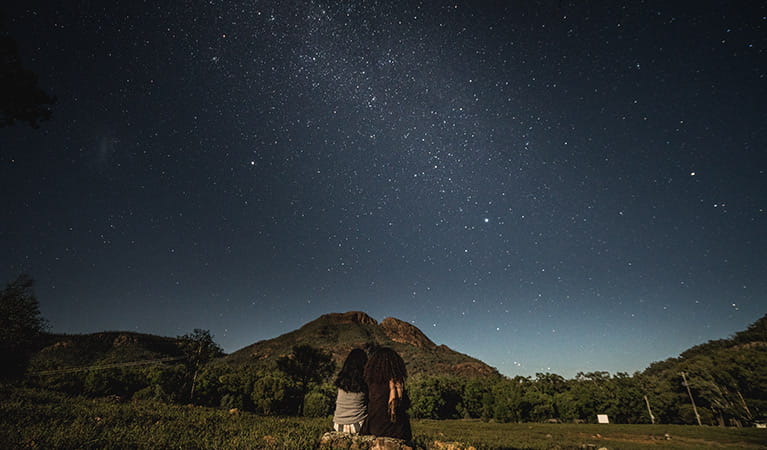
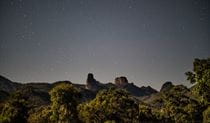
“My favourite thing to do when I'm camping in the Warrumbungles is to lie on my back with my eyes on the stars, they’re magnificent.”

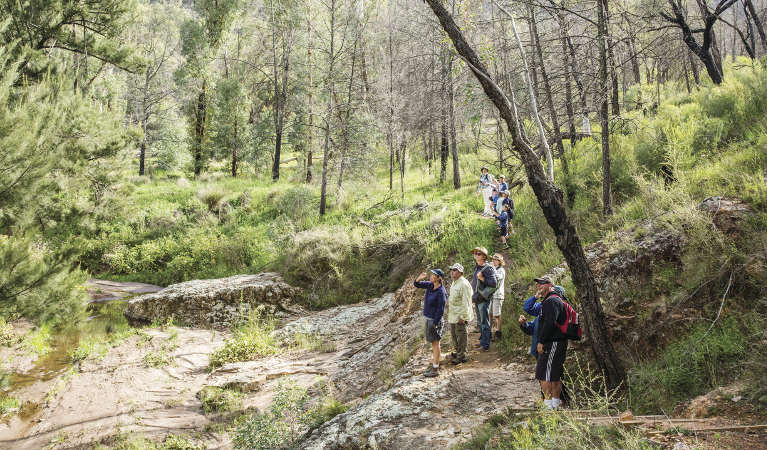
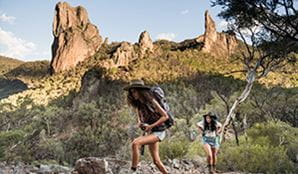
With so many opportunities for walking, rock climbing, picnics and barbecues, Warrumbungle National Park, near Coonabarabran in NSW is a great place to take a weekend break or longer holiday to explore this iconic park.

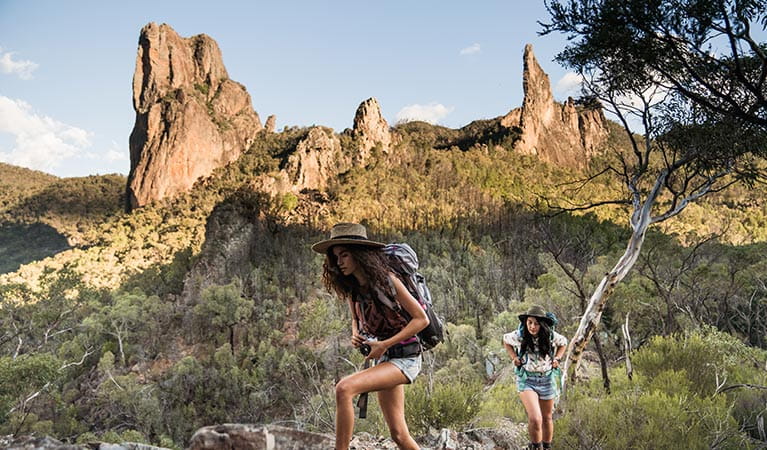
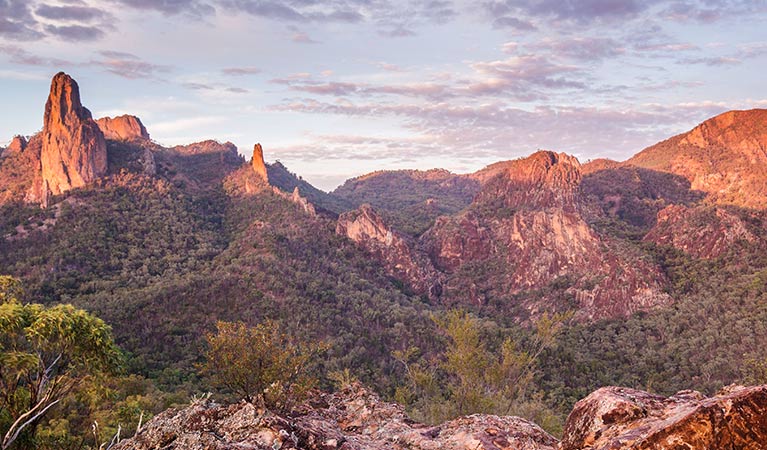
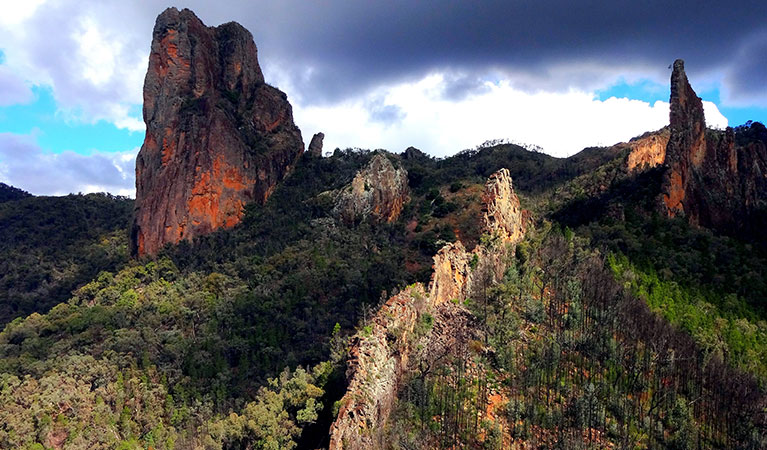
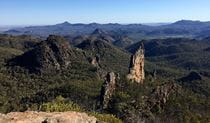
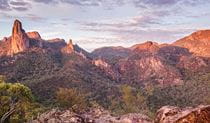
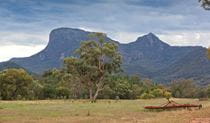
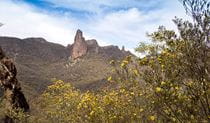
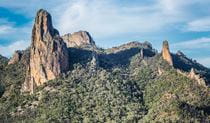
The Breadknife, easily the most recognisable feature within the park, towers 90m above the valley floor. Hike the Grand High Tops and Breadknife walk for a close up view of this ancient volcanic landscape or choose from one of the other walks in the park. Make sure to take your camera to capture a picture or two.

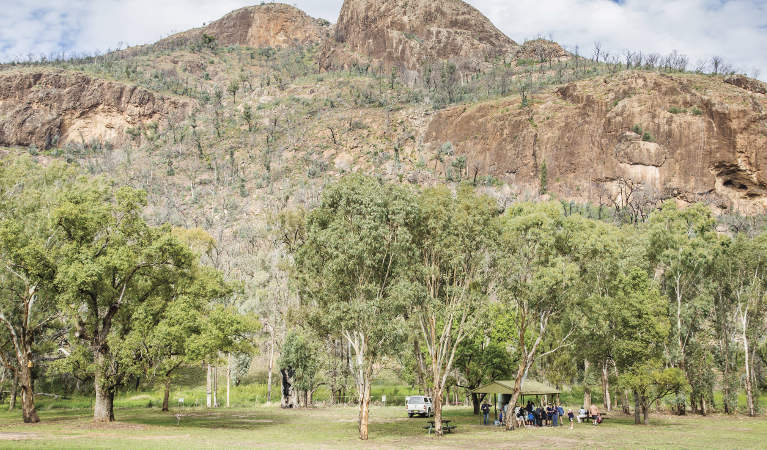
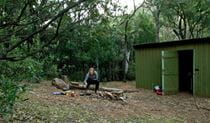
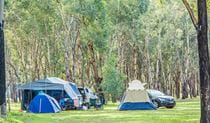
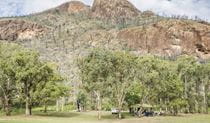
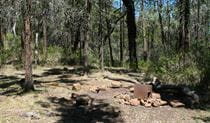
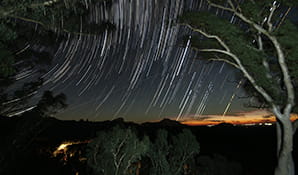
There are lots of places to camp, including walk-in and vehicle accessible sites, so you are bound to find one that suits your trailer, caravan or tent. Each will be covered by a blanket of stars in the evening, and if you’re lucky, you might see a little brown bat or brush-tailed possum after dark.

Highlights
 

Why you should visit

Warrumbungle National Park is a special place, here are just some of the reasons why:

Aboriginal dreamtime
Warrumbungle is a Gamilaroi (also written Gamilaraay) word meaning crooked mountain, and for many thousands of years it has been a spiritual place for the custodians of this land, the Gamilaroi, the Wiradjuri and the Weilwan. The landscape, plants and animals of the park are a constant reminder of its sacred significance to Aboriginal people today. Take an Aboriginal Discovery guided tour to find out more about the Aboriginal cultural heritage.
Landscape and geology
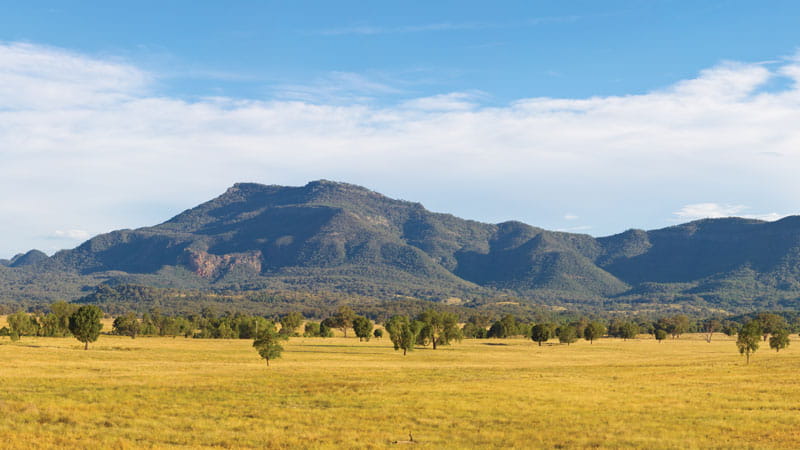
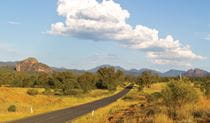
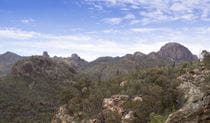
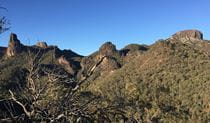
The landscape of Warrumbungle National Park has been shaped by thousands of years of volcanic activity; spend some time looking at Crater Bluff and Belougery Spire and imagine the vents of magma that once erupted to create these formations. Old lava flows created at Mount Exmouth and Siding Spring Mountain, just outside the boundary of the park and Belougery Split Rock and Bluff Mountain are great examples of volcanic action. The most iconic feature in the park, The Breadknife, is a volcanic dyke which stands a massive 90m tall.
Wish upon a star
Nearby Coonabarabran is known as the ‘Astronomy Capital of Australia’ and Warrumbungle National Park is the ultimate place to see infinite stars. Admire the view from your campsite, or if you want to see right up to the heavens, visit the Siding Springs Observatory, or take your own telescope for a spectacular view of the Milky Way.

Capture a classic photo
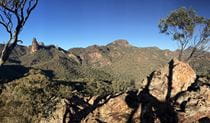
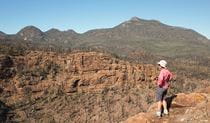
The park’s big sky, amazing light and dramatic yet fragile rock formations make Warrumbungle National Park an outstanding place for amateur and professional photographers alike. The dramatic mix of volcanic spires and domes, plateaus, forested ridges and tall volcanic dykes are bound to make even the youngest of photographers look good, so whatever you do - don't forget your camera.

Share with friends

Alerts

Warrumbungle National Park

CLOSED AREAS
Closure
Following the recent bushfire Warrumbungle National Park is open in a limited capacity only.  
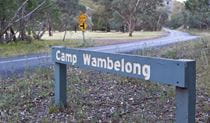
Camp Wambelong is OPEN for camping.
Belougerie Split Rock, Burbie Canyon, Mount Exmouth and Whitegum Lookout Walk are the only walking tracks open.
Park entry and camping use fees are currently waived until further notice. John Renshaw Parkway is open.
For more information please contact the Coonabarabran Area Office on 02 6842 1311.

Getting there

 Opening times

 Warrumbungle National Park is always open but may have to close at times due to poor weather or fire danger.

 Fees

Vehicle entry fees

In this park, vehicle entry fees are $7 per vehicle per day. Call at the park visitor centre to pay this fee. After hours, please use the self registration envelopes at the Information Board in the visitor centre carpark.

 Close to

Warrumbungle National Park is close to:

  • Coonabarabran (35km)
  • Coonamble (100km)
  • Gilgandra (80km)
  • Gulargambone (55km)

 Close to

Warrumbungle National Park is close to:

  • Coonabarabran (35km)
  • Coonamble (100km)
  • Gilgandra (80km)
  • Gulargambone (55km)

 Car

From Coonabarabran, take John Renshaw Parkway.

From Gilgandra:

  • Take the Newell Highway north towards Coonabarabran
  • Turn left off the highway into the village of Tooraweenah
  • Follow the brown Tourist Drive 1 north through Tooraweenah
  • Continue for 26km to the T-intersection at Gummin Gummin homestead
  • Turn right onto John Renshaw Parkway and continue for 8km

From Coonamble, take Castlereagh Highway and turn left into King Street. Continue along Coonamble Toora weenah Road for about 72km.

From Gulargambone, take Gulargambone Road for about 31km. Continue along John Renshaw Parkway, then veer right onto Coonamble Toorweenah Road.

  • Turn off the Castlereagh Highway
  • The turnoff to the park is signposted
  • Some of this road is unsealed

 Car

From Coonabarabran, take John Renshaw Parkway.

From Gilgandra:

  • Take the Newell Highway north towards Coonabarabran
  • Turn left off the highway into the village of Tooraweenah
  • Follow the brown Tourist Drive 1 north through Tooraweenah
  • Continue for 26km to the T-intersection at Gummin Gummin homestead
  • Turn right onto John Renshaw Parkway and continue for 8km

From Coonamble, take Castlereagh Highway and turn left into King Street. Continue along Coonamble Toora weenah Road for about 72km.

From Gulargambone, take Gulargambone Road for about 31km. Continue along John Renshaw Parkway, then veer right onto Coonamble Toorweenah Road.

  • Turn off the Castlereagh Highway
  • The turnoff to the park is signposted
  • Some of this road is unsealed

 Public Transport

For information about public transport options, visit the NSW country transport info website.

 Public Transport

For information about public transport options, visit the NSW country transport info website.

 Bike

Check out the Bicycle information for NSW for more information.

 Bike

Check out the Bicycle information for NSW for more information.

Weather and climate

 Weather

You may experience a great range of temperatures on any day in the park.

In summer it’s generally hot in the daytime and temperatures often exceed 30ºC. In contrast, winter can be very cold and the temperature drops below freezing at night.

Rainfall is also highly variable, ranging from drought to prolonged wet periods. Less rain falls on the western side of the park than on the eastern side. It rains most from December to February and the annual average rainfall is 720mm. Thunderstorms are common in mid to late summer.

 Weather

You may experience a great range of temperatures on any day in the park.

In summer it’s generally hot in the daytime and temperatures often exceed 30ºC. In contrast, winter can be very cold and the temperature drops below freezing at night.

Rainfall is also highly variable, ranging from drought to prolonged wet periods. Less rain falls on the western side of the park than on the eastern side. It rains most from December to February and the annual average rainfall is 720mm. Thunderstorms are common in mid to late summer.

 Visiting through the seasons

There are lots of great things waiting for you in Warrumbungle National Park. Here are some of the highlights.

Spring (Sept, Oct, Nov)

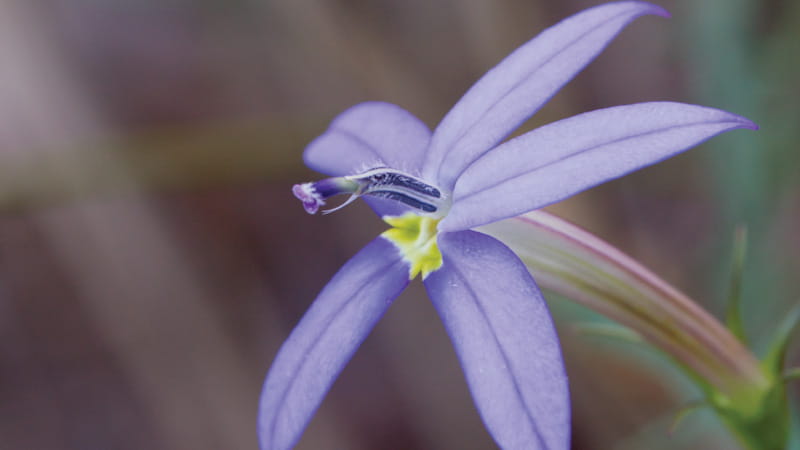
  • During early spring wildflowers are in bloom, including a huge variety of golden wattle flowers
  • With a more moderate climate, spring is a great time to get out and camp under the stars

 Visiting through the seasons

There are lots of great things waiting for you in Warrumbungle National Park. Here are some of the highlights.

Spring (Sept, Oct, Nov)

  • During early spring wildflowers are in bloom, including a huge variety of golden wattle flowers
  • With a more moderate climate, spring is a great time to get out and camp under the stars

 Temperature

Summer

  • The average temperature ranges between 15°C and 30°C
  • The area's highest recorded temperature is 42.6°C

Winter

  • The average temperature ranges between 0°C and 15°C
  • The area’s lowest recorded temperature in winter is -9°C

 Temperature

Summer

  • The average temperature ranges between 15°C and 30°C
  • The area's highest recorded temperature is 42.6°C

Winter

  • The average temperature ranges between 0°C and 15°C
  • The area’s lowest recorded temperature in winter is -9°C

 Rainfall

  • The wettest month on average is January, the driest September
  • The area's highest recorded rainfall is 176.3mm in one day

 Rainfall

  • The wettest month on average is January, the driest September
  • The area's highest recorded rainfall is 176.3mm in one day

Contacts

Coonabarabran (Warrumbungle National Park)

Phone: 02 6825 4364
Street address: Off John Renshway Parkway, Warrumbungle National Park
Opening hours: 9:00am-4:00pm, daily (closed Christmas Day)

Close
 
 
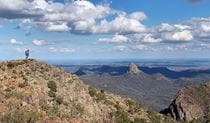
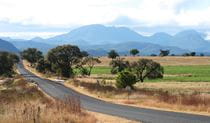
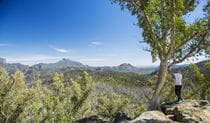
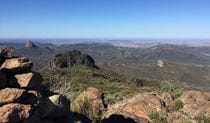
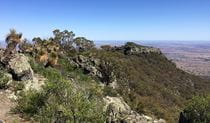
View from Fan's Horizon lookout, Warrumbungle National Park. Photo: Rob Cleary